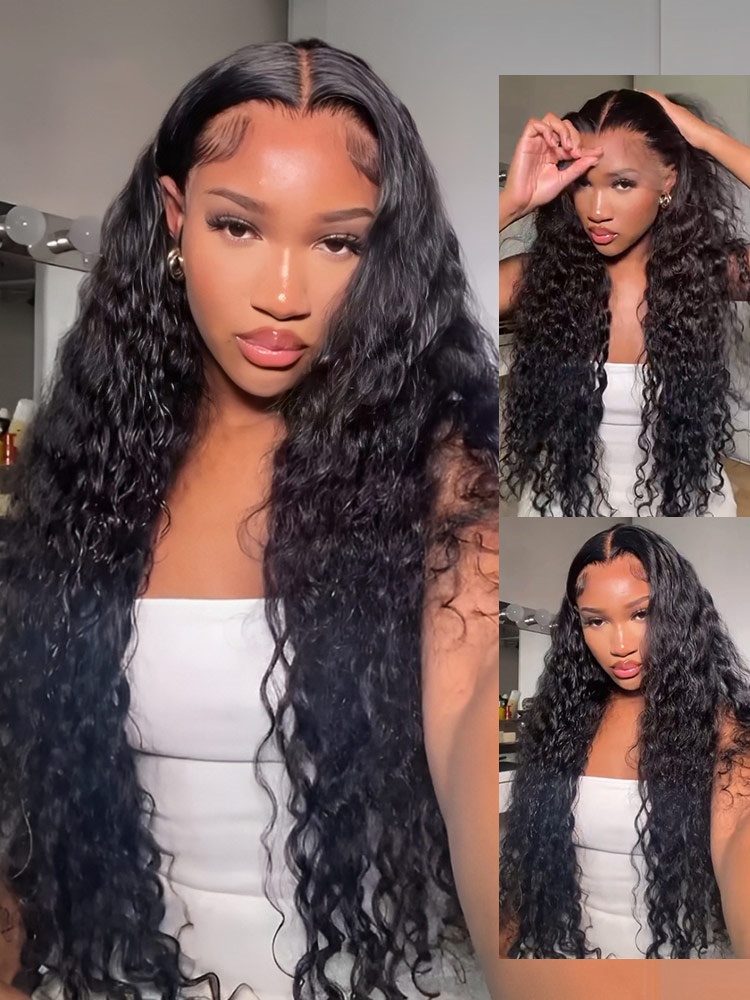


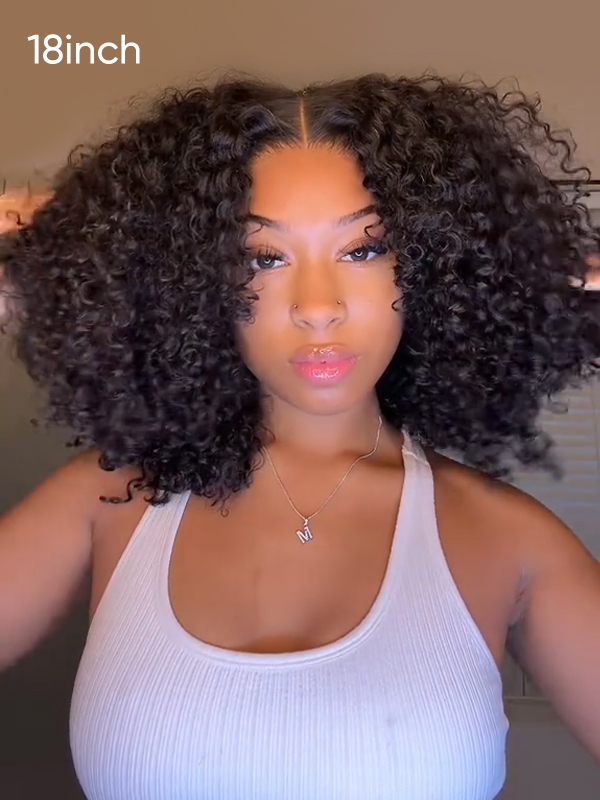
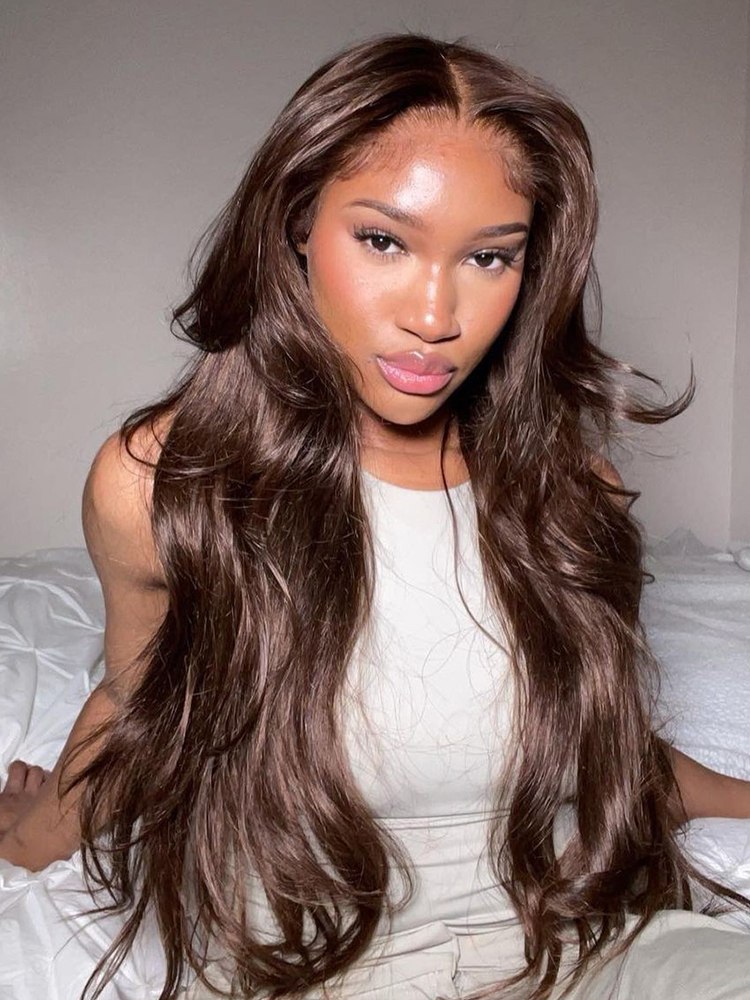
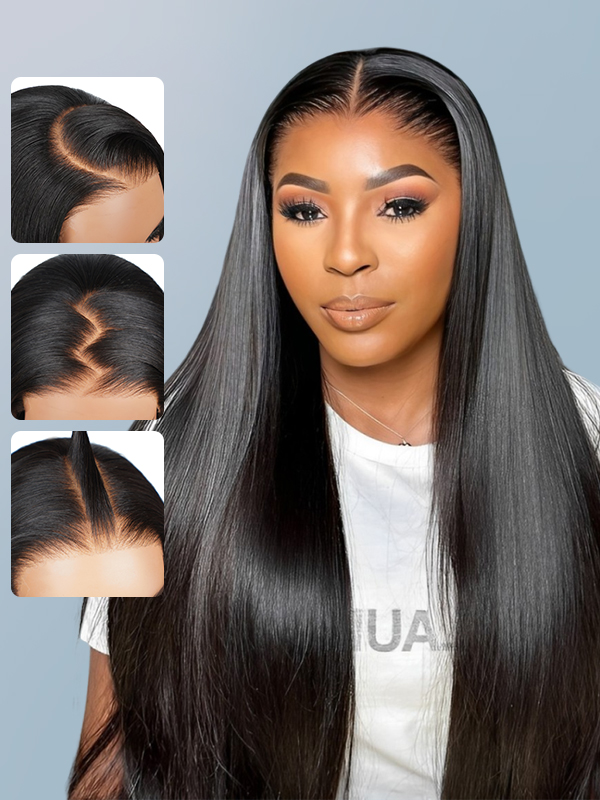
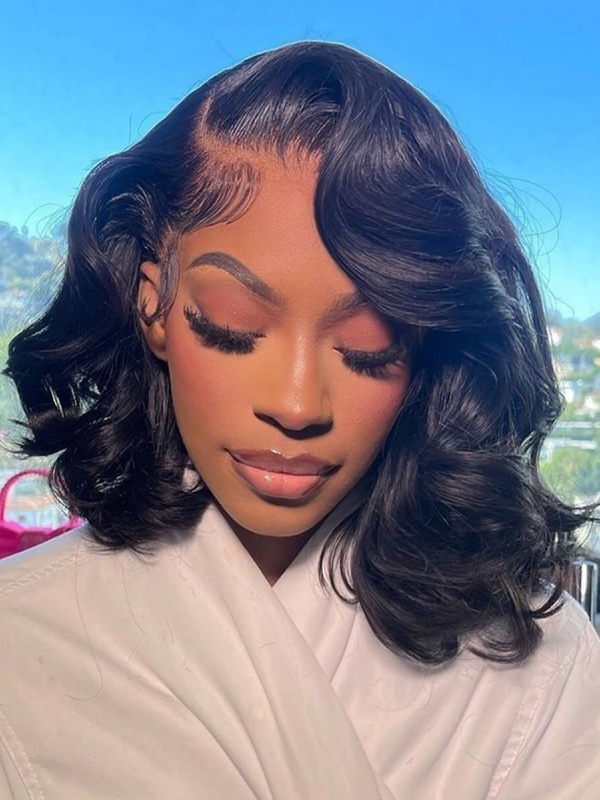
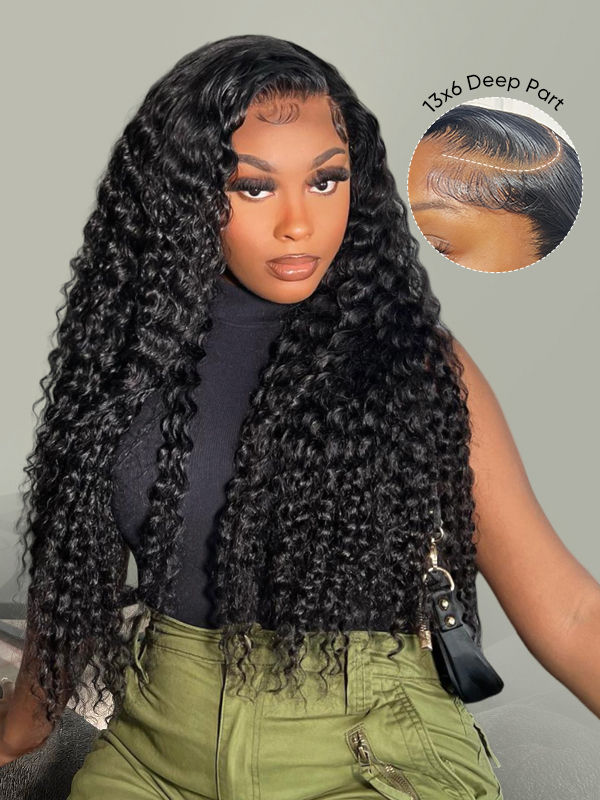
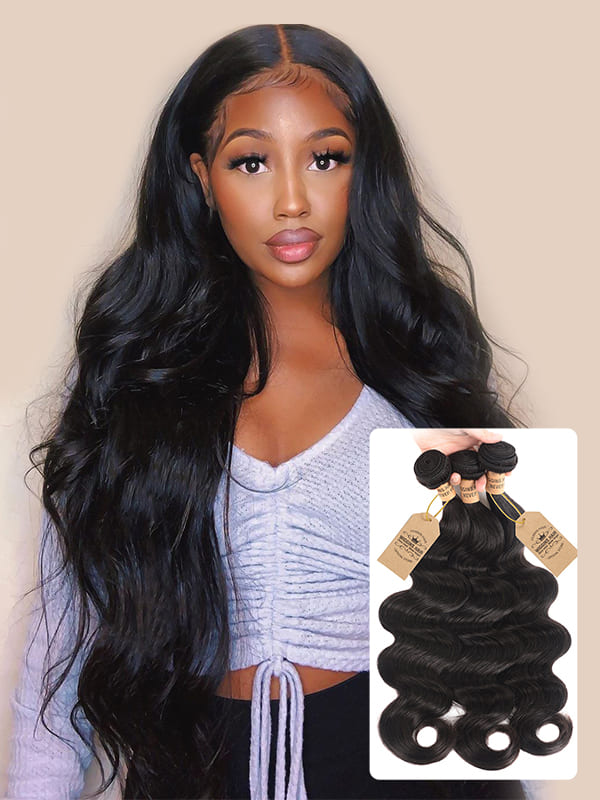





How to take care of hair extensions: Uncover professional advice on how to take care of hair extensions, so they remain soft, shiny, and long-lasting.
If you want simple, around-the-clock beauty, hair extensions—whether clip-ins, tape-ins, or sew-ins—are a quick and easy way to add length, volume, or even playful color to your hair. But unlike your natural strands, extensions don’t receive nutrients from your scalp, so they rely entirely on good care to stay soft, tangle-free, and healthy-looking until removal. That’s why learning how to take care of hair extensions properly is so important.
They might look effortless, but extensions—like any wearable beauty—come with their own set of instructions. And trust me, after learning the hard way, I’m here to share what works.
Delicate Cleansing for a Lasting Luster
Cleansing your hair pieces is necessary if you want to maintain their softness and good looks—and not too often, either, so that you don't unnecessarily agitate the hair and wig glue, especially if you're using human hair extensions. Instead, wash your pieces every 7 to 10 days in a sink filled with lukewarm water, using sulfate-free shampoo that's super moisturizing but bland enough that it won't strip your hair of anything important.
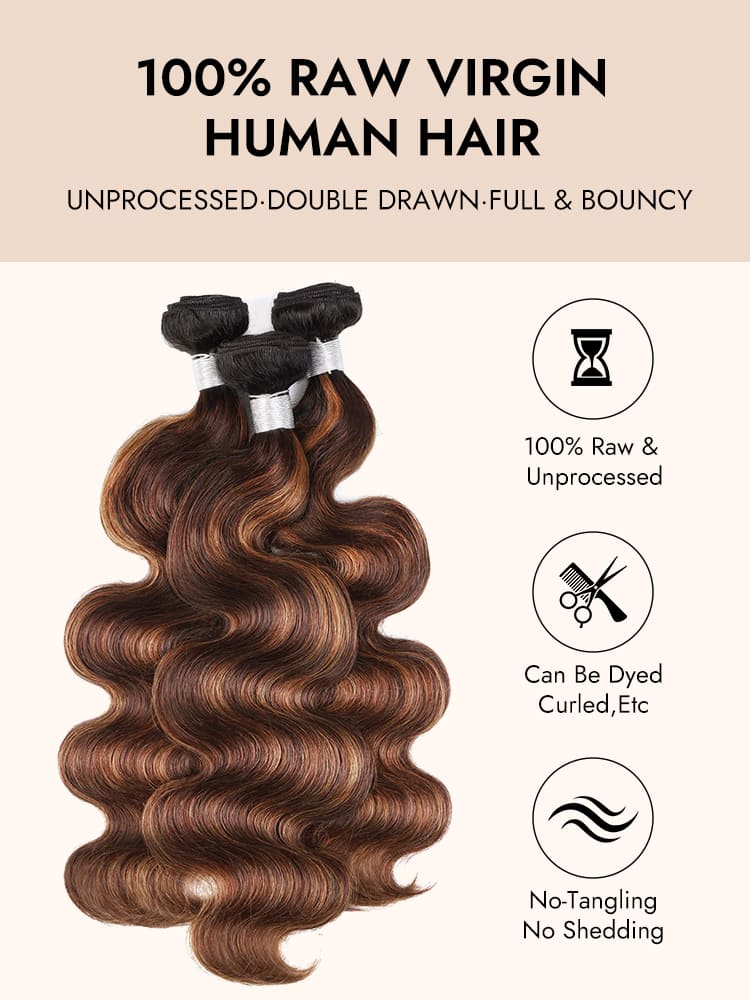
There's also a way to shampoo and condition your pieces and then dry them after a refresh, which basically treats them as loosely braided hair. The way you then air-dry them helps maintain whatever wave or straightness the piece formerly had. If you're using human hair, all this also applies to wigs. Work with the wig upside-down, and don't try this if the wig is too wet.
Daily brushing and detangling are crucial for hair extensions, just as they are for natural hair. Extensions are prone to knots and tangles, especially when they are long, thick, or styled (which, let’s be real, most kinds of hair are daily). That makes the no-negotiable brushing and detangling routine all the more vital for maintaining extensions' look and texture over time.
Choosing the Right Brush
A soft-bristle or loop brush specifically designed for use on extensions should be your go-to tool. Brushing prolongs the life and keeps the appearance of your tresses intact. You're minimizing stress on the wefts and keeping shedding at bay when you're brushing in small sections from the bottom up.
Ideally, you should be doing at least two daily detangling sessions—one in the morning and one before bed. And if you're working with curly or wavy textures, know that finger-combing can be as effective and perhaps even more gentle for maintaining curl formation. Don't brush the extensions when they're wet. This is when the strands are the most vulnerable to breakage.
Styling Wisely to Prevent Heat Damage
High-quality hair extensions are an excellent medium for all the styling freedom any individual could want. Curling irons, straighteners, and blow dryers tend to work just fine when attached to higher-quality extensions. That said, we’re here to dive into what can and should be done to prevent good, stylish hair from going bad.
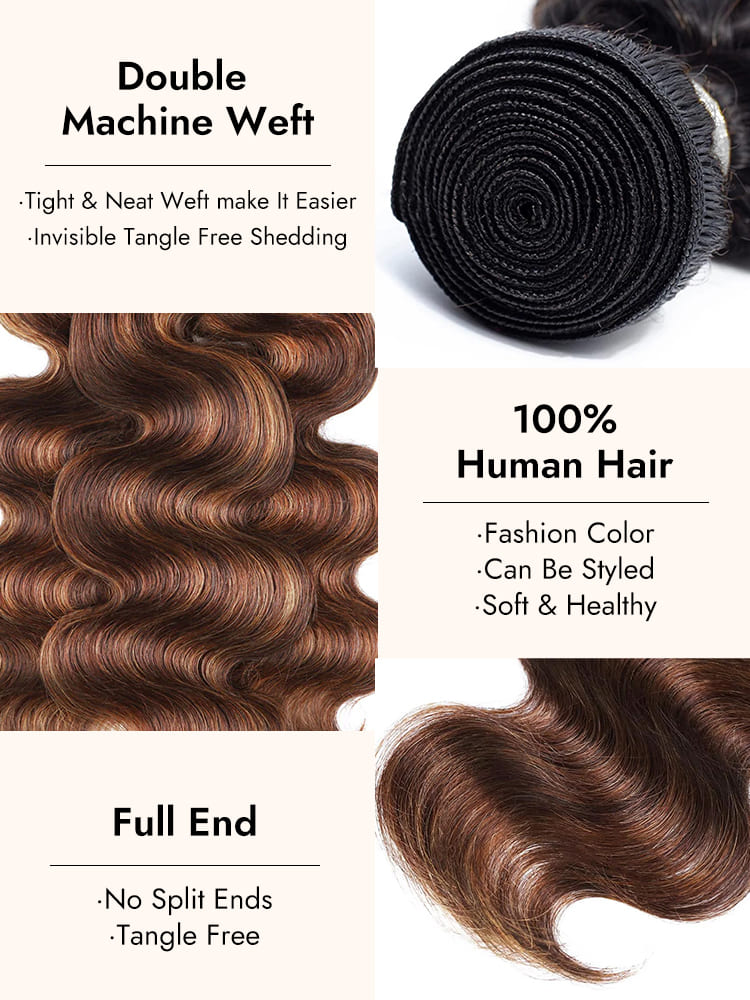
If you insist on using hot tools, the most important element to remember is this: lightweight heat protectant spray is your best friend. It’ll help keep your hair (and the hair extensions) from reaching that dreaded thermal death zone (beyond 450°F). Work smarter, not harder. If you’ve got the protective spray, you probably don’t need to use the tools as you think.
And as if that weren't enough, spraying your extensions with the protective stuff is *also* a good condition for them to be in if and when you might need to go on and style straight or wavy hair without using, ya know, those tools.
Quality Bedtime Practices That Preserve Hair Extensions
Most damage goes unnoticed and occurs while you sleep; it is when you are most active. With good practices, you can keep your hair extensions semi-permanent and your hair intact. Ensure damp hair is dry before bed. Sleeping on wet hair can lead to mildew and other odors. Tuck your hair into a low ponytail with a soft scrunchie so that there is minimal friction as you move between the sheets.
Better yet, braid your hair into one or two low Nordic braids; they are protective hairstyles and lead to minimal twisting and tangling because the hair is securely fastened down. Invest in a silk or satin pillowcase, so that the cuticles of your hair (natural or extensions) are less likely to fray while you sleep. Maintain these habits so that your extensions last the full lifecycle (3-5 months is average) and perhaps a little longer.
Product Selection and Long-Term Extension Maintenance
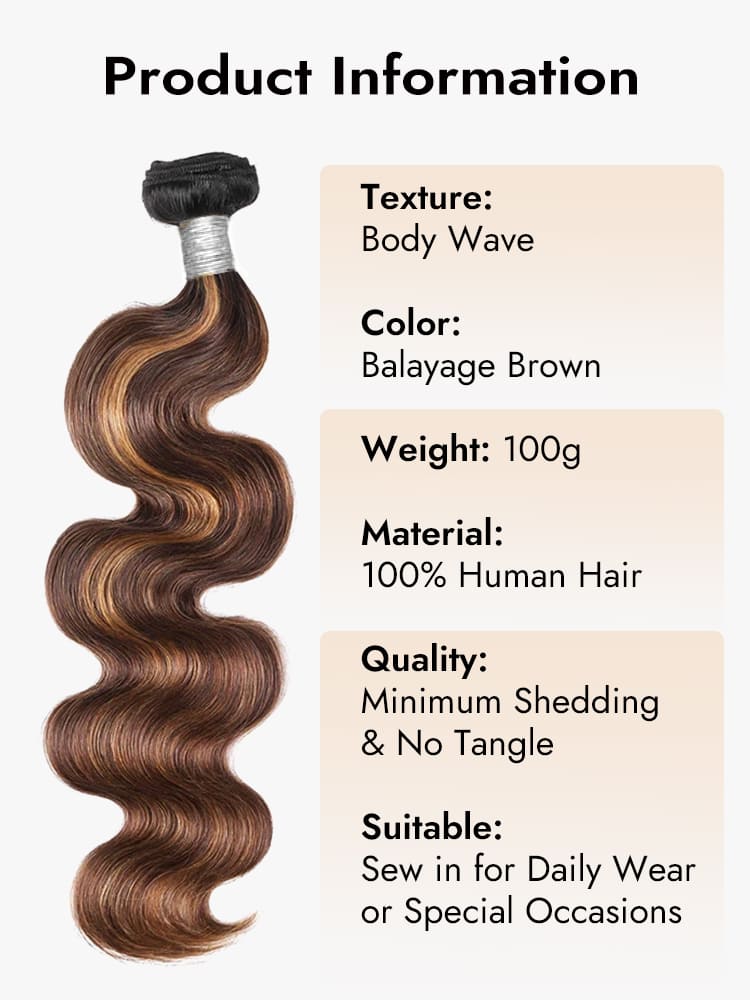
At a basic level, the products you use to maintain your hair extensions, in answer to how to take care of hair extensions, can either help them last or help them succumb to the forces of nature (or the bad forces of nature—i.e., your clumsy hands or the products you might be tempted to slather on). So this is why it's important to be mindful of ingredients and, in particular, the frequency with which you apply the following types of products.
As for what to look for, lightweight serums and natural oils like argan or coconut oil are great. They won't make your hair greasy, but they will provide some essential moisture that keeping your hair healthy requires. Healthy equals shiny, and we like healthy shiny. What we don't like is how unhealthy some of these other products can make your hair.
Recommendation
For individuals who place a premium on both quality and competent direction for maintaining hair extensions, WIGGINSHAIR renders not only the best human hair products but also valuable expert advice, useful maintenance counsel (how to take care of hair extensions), and fitting accessories that cover the whole range of hair extensions. The aim? To guarantee that hair extension users enjoy their investments fully, with confidence and ease.