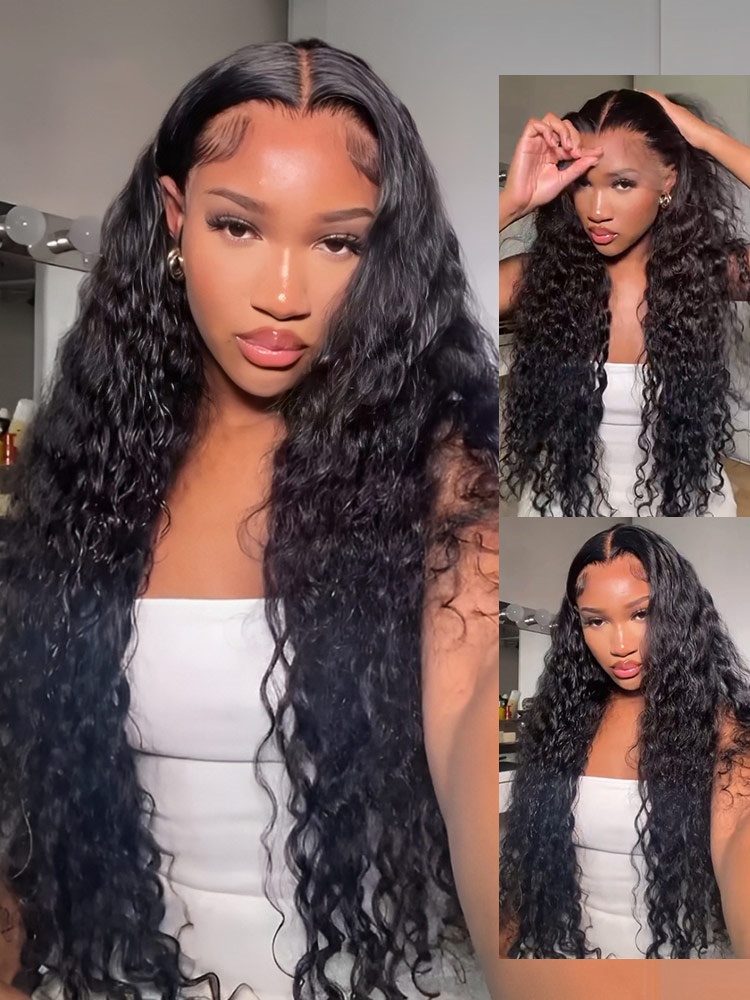


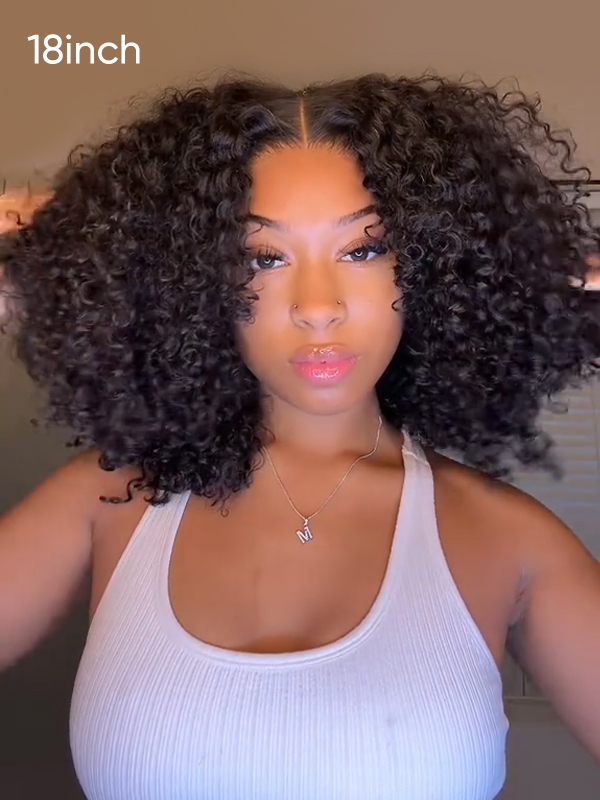
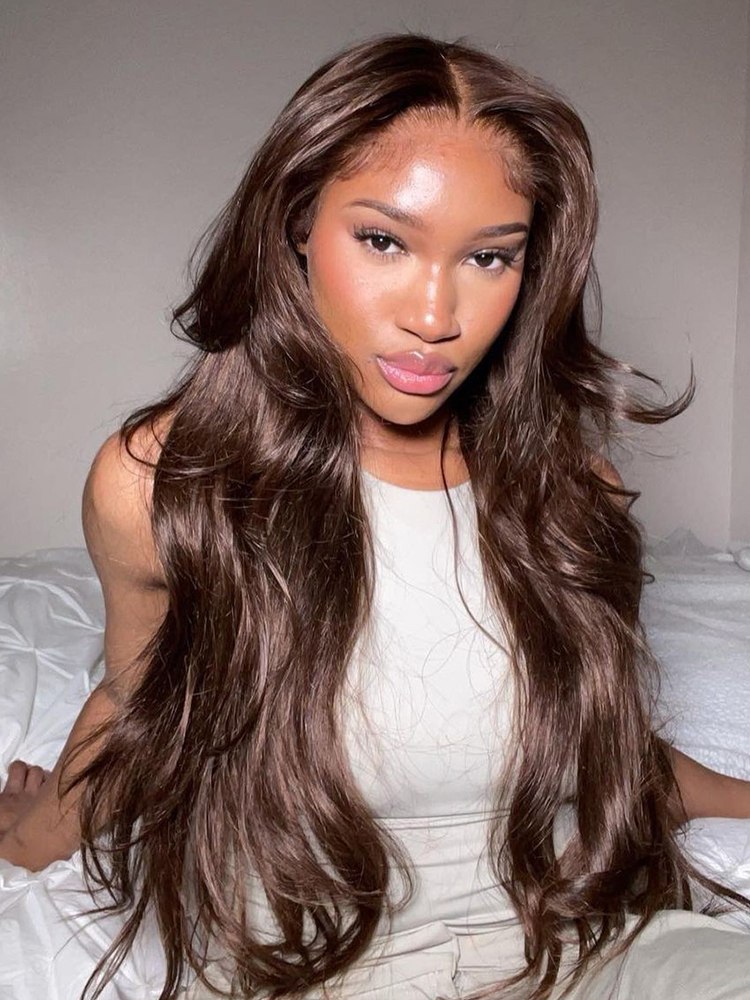
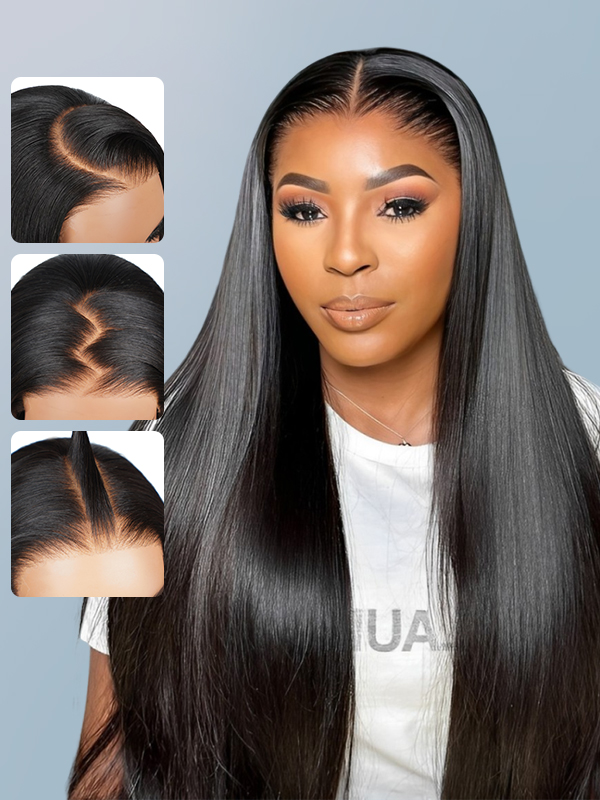
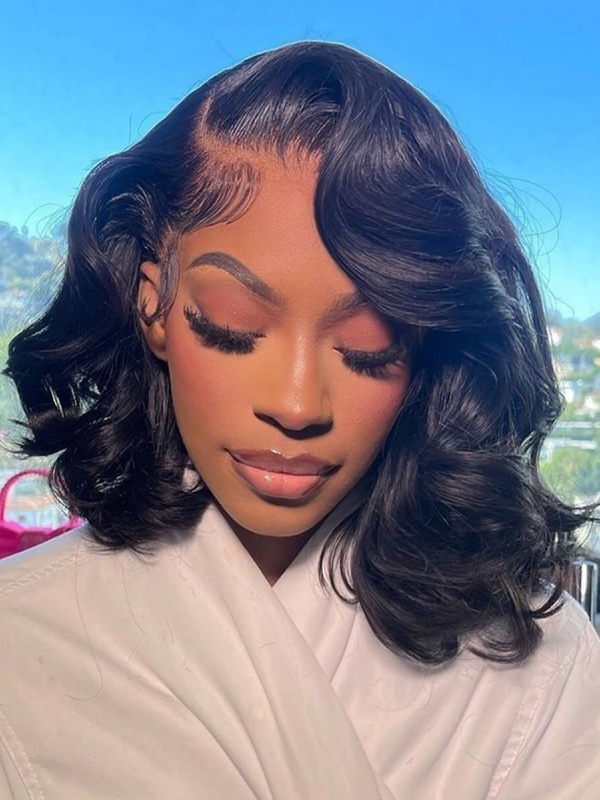
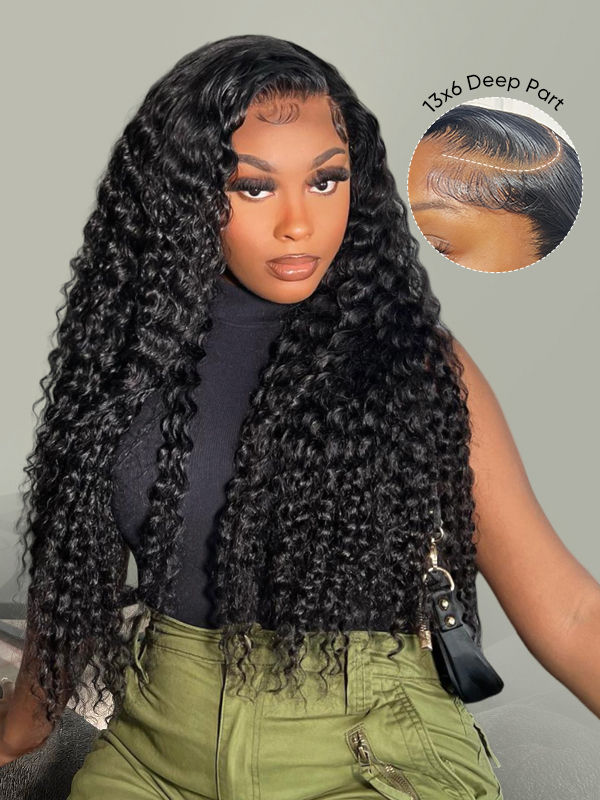
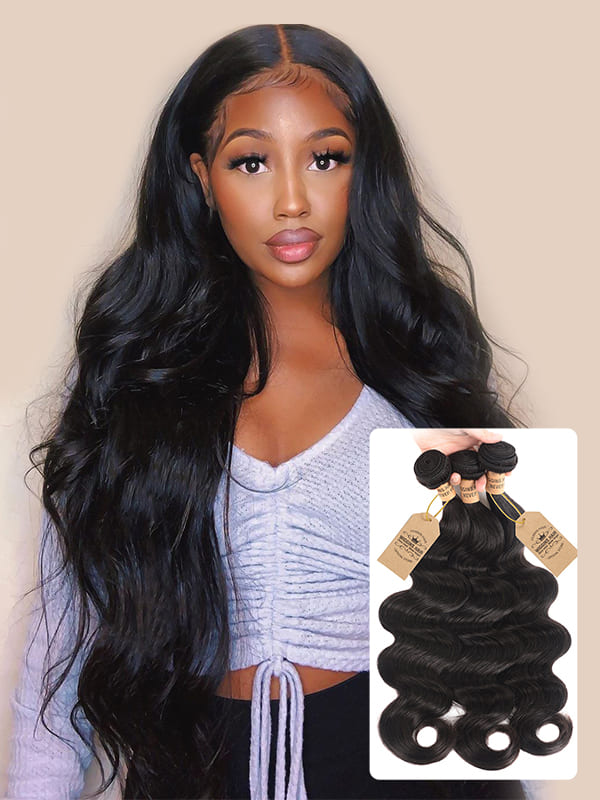





Delve into the most recent trends in female hair designs that combine sophistication, heritage, and contemporary fashion for all varieties of hair and lengths.
The expression of hair itself is a form of evolution. It has changed radically even in my adult life. I remember being told in beauty school not to focus so much on the hair as the finished visual; that it was in-the-know that made it look good. I remember snickering, but there were also whispers of truth in those words, and not just from stylists who favored a precise finish. In fashion, art, and everyday visual culture, we’re no longer obsessed with products, per se. We’re obsessed with the unseen artistry that goes into making something a product of art. Modern female hair designs are increasingly like that. There’s an evolution afoot that centers expression through hairstyling more than through hair itself.
The Influence of Hair Texture and Length on Design Choices
The essential part of determining which styles will look appealing and feel sustainable and effortless, for the long haul, is hair texture and length. Straight, wavy, curly, and coily textures each respond differently to heat, so a woman with naturally curly hair might opt for protective styling or layered curls to maintain volume and definition.
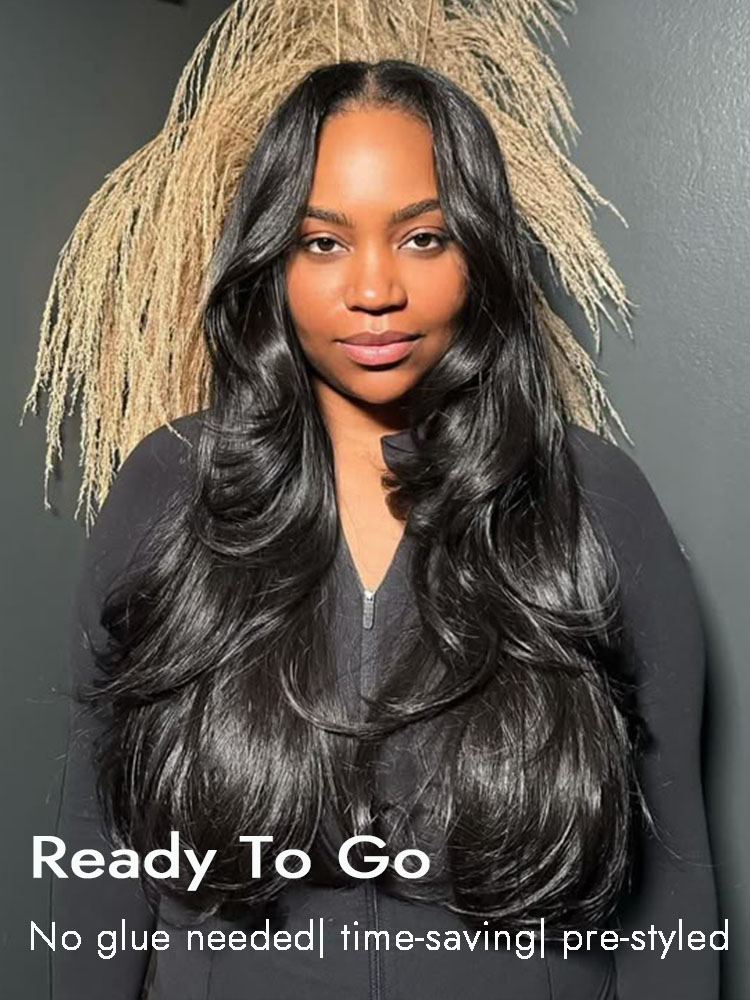
When it comes to straight hair, you might explore sleek bobs and feathered shags or blended layers for dynamic movement. The length also opens new dimensions of creativity, whether you have short hair—edging pixie cuts and bold undercuts abound! —medium-length hair (soft curls and lobs are in), or long hair. With long hair, you can get elaborate with braids, buns, or half-up hairstyles and still have plenty of time for loose waves.
Color, Highlights, and Creative Shades in Hair Fashion
Over the past few years, coloring hair has evolved from a laborious beauty ritual to a quick and effective means of virtual makeovers, highly popular in a world of rapid change. Though some aspects of hair dyeing have been simplified, others have become more complicated.
Especially when it comes to the health of your skin and hair, what is in your dye matters. Ingredients have upped the ante on safety, in part because the occurrence of health problems ostensibly linked to hair dye has been rising. What doctors are saying:
"You needn't panic. In recent decades, there have been no major scientific breakthroughs to prove that hair dyes cause cancer. But they've also not been shown to be innocent, either.” The overall health of hair is now paramount, thanks to revolutionary products that ensure dyes don’t damage hair, but they do the opposite.
Dyes now deliver vivid color fast, and slow-fading: beyond sun-kissed balayage to vivid, electric hues, hair that’s healthy enough for high fashion speaks to three basic color principles: hue, tone, and shade.
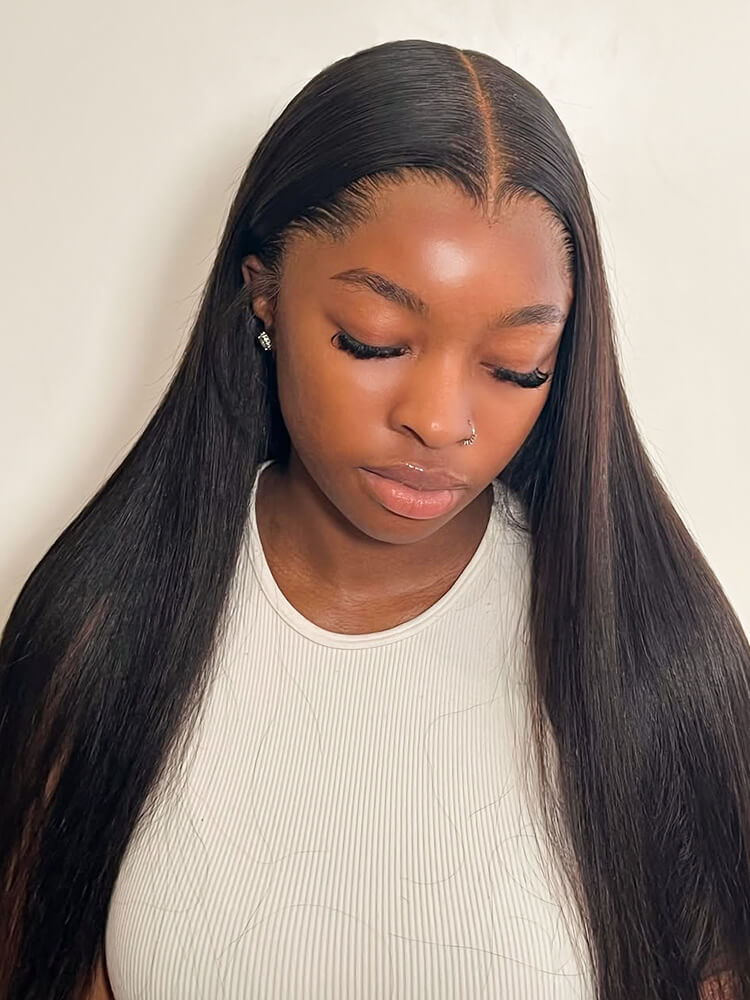
Around the world, cultural influences keep shaping female hair designs. African braiding patterns, Asian sleek silhouettes, and European waves are intermingling, yet their timeless classics, like French twists, Dutch braids, and Hollywood glam curls, remain ever-relevant, especially for the kinds of formal events that nudged the topknots and updos of our everyday lives into the territory of wedding hairstyles. Even when those old saws are reinterpreted to keep pace with contemporary silhouettes, they're blended with the hairstyles of our cultural mix.
Styling Tools, Maintenance, and Hair Health
Regardless of how innovative or timeless a hairstyle may be, ensuring it with the right tools and care is vital to securing its lifespan, luster, and hair health, especially given the rising use of flat irons, curling wands, blow dryers, and the kinds of chemical treatments that can often stress the strands. Daily rituals that involve the following help women preserve their hairstyles while nurturing the innate strength of their hair. They're given in no order:
Choice of heat styling tools, oil, and other styling aids, shampooing with sulfate-free products, using deep conditioning treatments, using the right brush, and not brushing too much, and trimming regularly. Choosing (or not) protective hairstyles that allow the hair to rest between wears. Making the above decisions is part of a not-easy-but-consciously-reached-for path toward hair wellness practices. Every path I know leads to one destination: shade.
Hair Designs for Every Occasion and Season
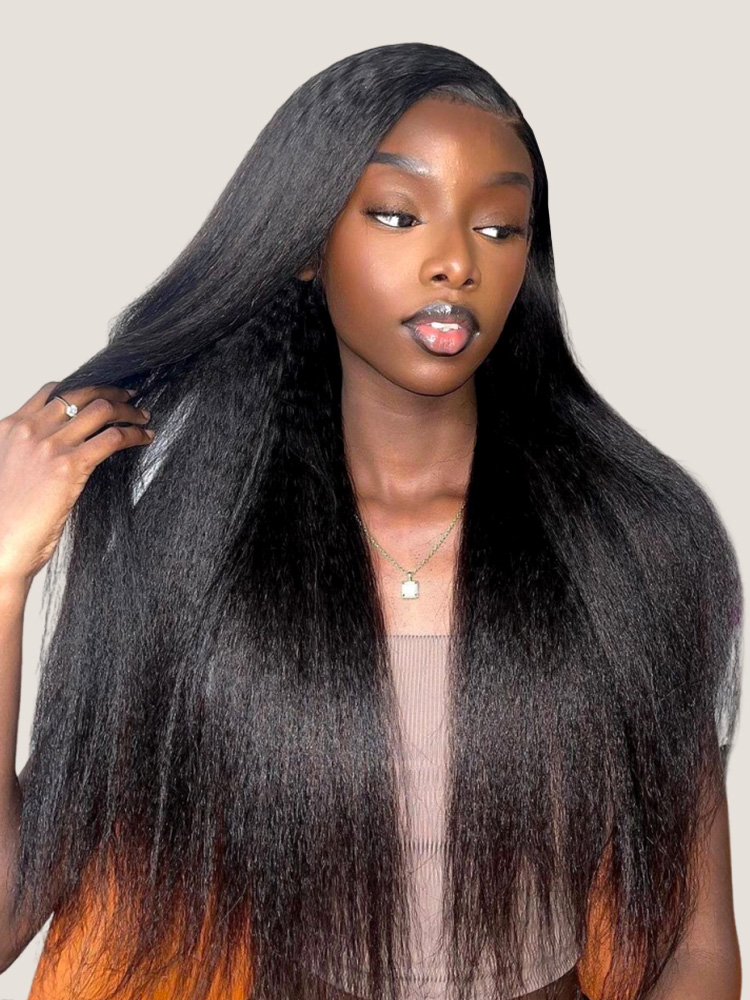
Hairstyles that align with seasons or events have grown more sophisticated, allowing women to experiment more frequently and adjust their look based on weather, mood, or purpose, where light, breezy looks dominate in summer and where structured, polished finishes have become more prevalent in colder months.
Warm-weather aesthetics find definition in beachy waves, high ponytails, and loose braids, per warm-weather looks. When the temperature drops, horizontal looks reign from the formal chin length of a chignon to herringbone braid stair steps that ascend and descend straight toward the shoulders.
Texturizing and volumizing push more styles toward the vertical plane in both summer and winter so that hair spans angles upward, making these looks slightly more aerodynamic and increasing the chances of hairpocalypse when a strong wind comes calling.
Recommendation
For those on the hunt for something of the highest caliber, WIGGINSHAIR provides a nearly bottomless well of human hair products and wigs. The styling situations are almost endless, because WIGGINSHAIR caters to a nearly infinite set of diverse female hair designs preferences, natural Finishes. WIGGINSHAIR products allow women to go wild and do whatever they want in totally stylish scenarios.