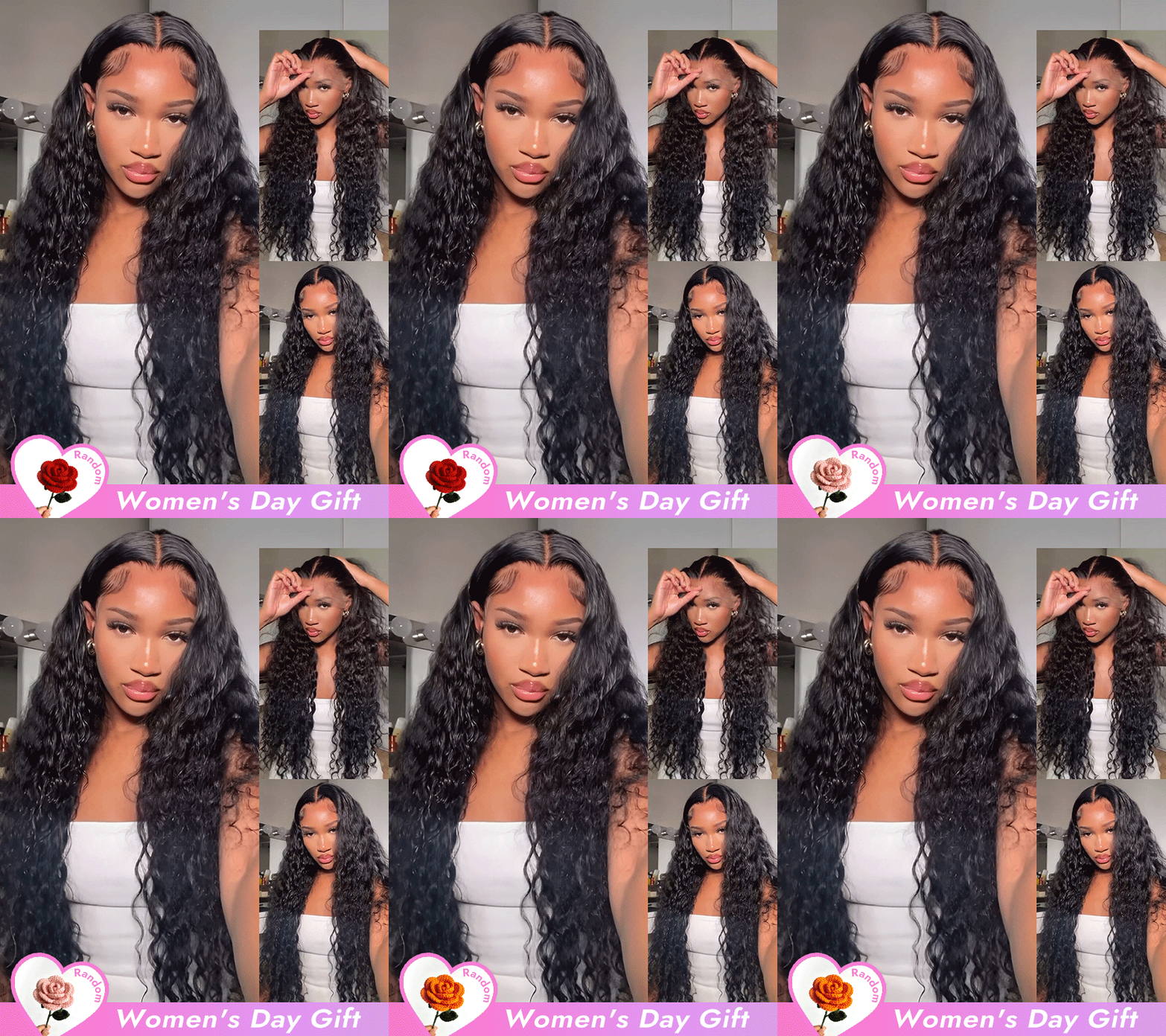

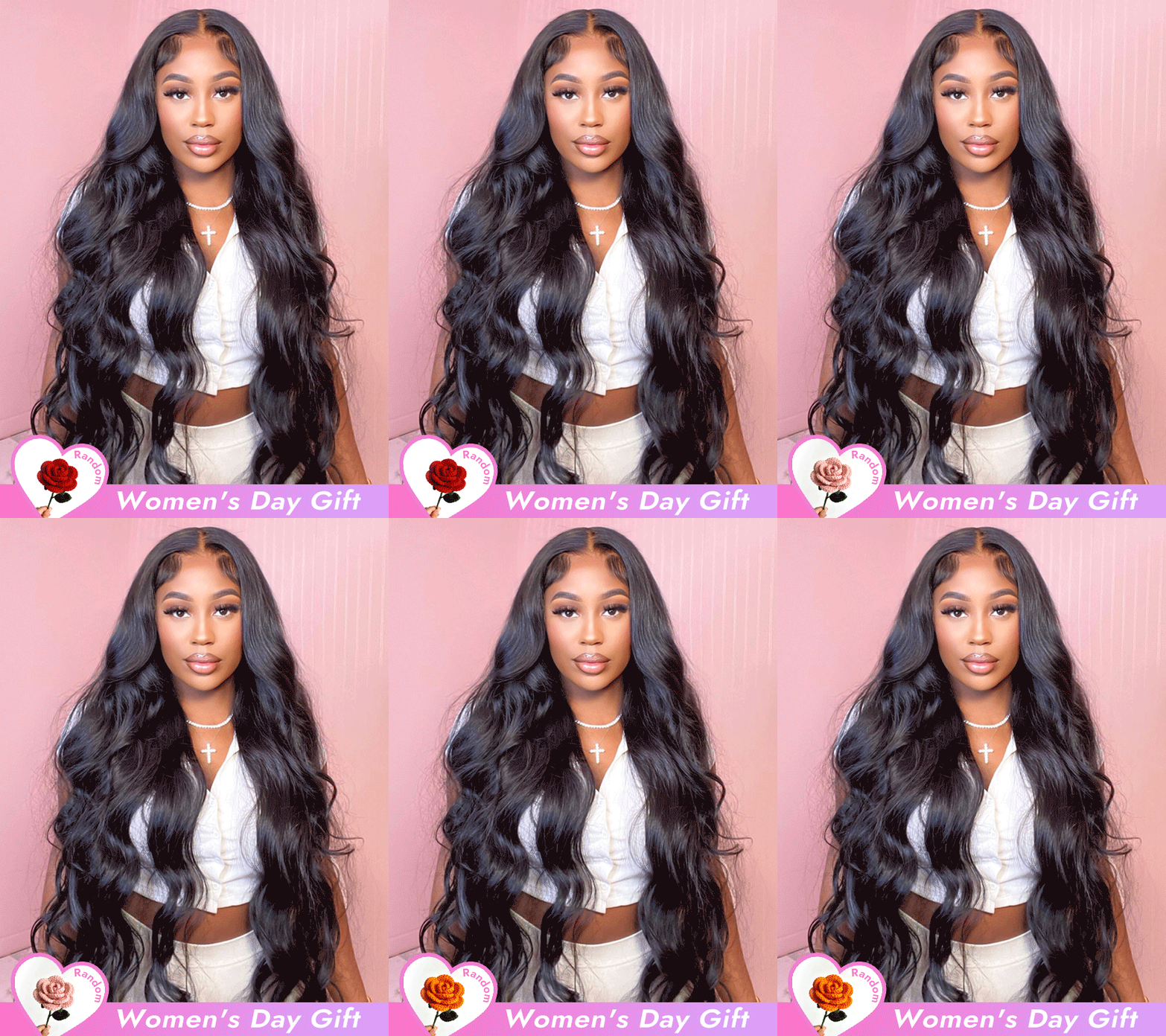
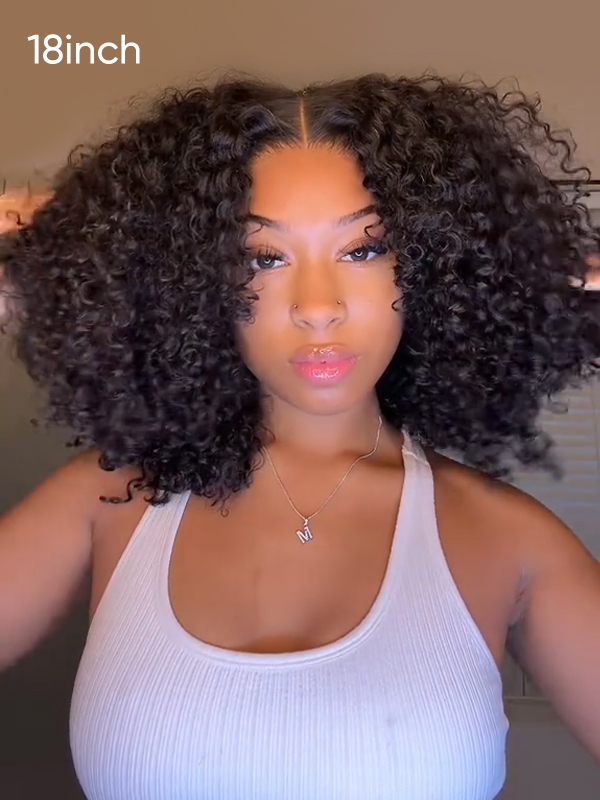

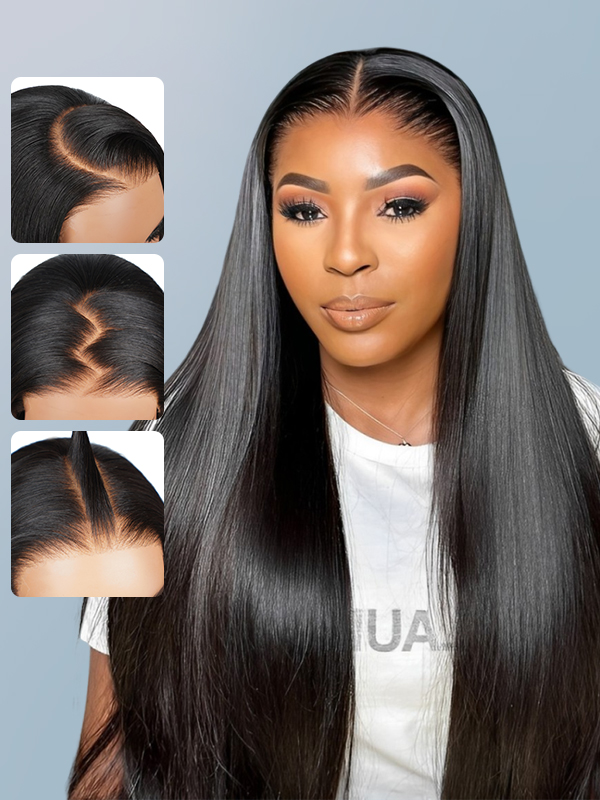






Learn from the pros how to shorten a wig so that it fits you perfectly and looks natural. Wig shortening—in this case, from a chin-length bob to a short pixie cut—should always be done in stages.
Wearing a wig involves more than simply adding length or volume. It is about personal style and aligning with not just facial features but also creating a look that is natural and enhances one's whole appearance, often an appearance that may lead to the need for customization in not just length but also texture. Length is an oft-repeated concern by wig wearers, and while many wigs come in a preset length, wig users often find they require a more tailored approach on how to shorten a wig.
Picking the Right Length and Style to Trim Synthetic or Real-Hair Wigs
Before cutting synthetic or human hair fibers, it is essential to decide on the exact length and shape that will suit your face shape, lifestyle, and aesthetic goals. If you don't, you can inflict irreversible damage that not only changes the appearance of the wig but may also waste your investment entirely.
A good starting point is to visualize or even digitally mock up your new hairstyle. You can use photos or apps to get a sense of proportion and balance about your face and body. If you want a blunt cut, soft layers, or a sleek, angled bob, each requires a technique and a steady hand.
Wigs are different from natural hair. They behave differently. That's why girls in wigs must learn techniques (how to shorten a wig), especially for wig styling. Also, you need to visualize the result before you start.
Wig Preparation for a Perfect Trim
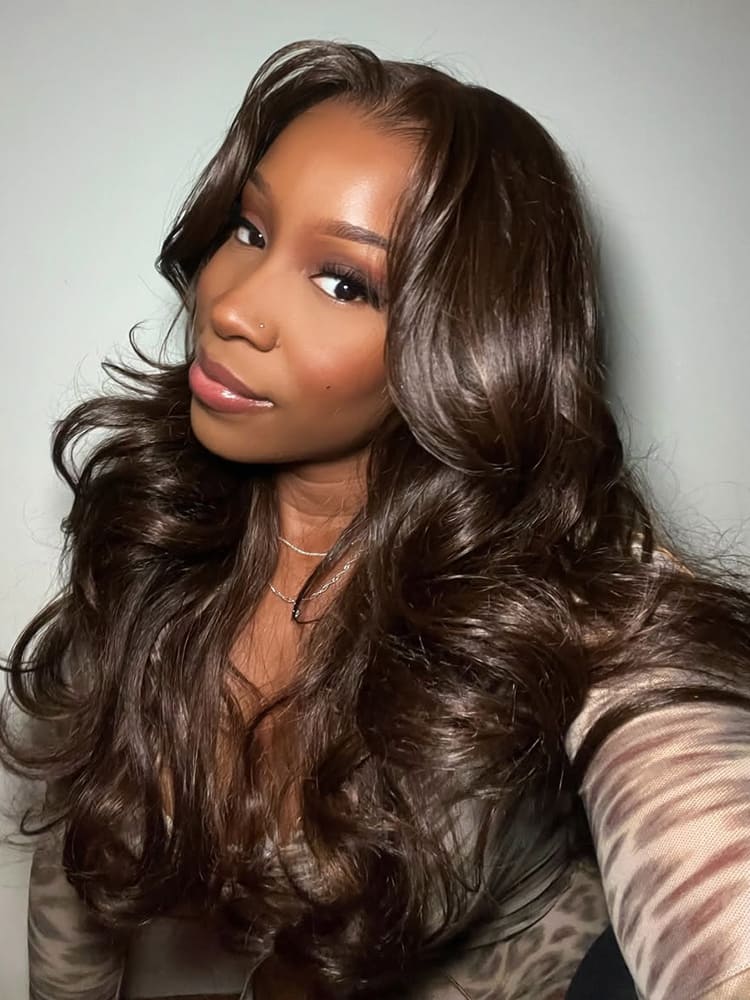
To achieve an even, natural look, it is crucial to prepare the wig by first placing it securely on a wig stand or mannequin head. It should then be brushed thoroughly to remove any tangles and ensure that it falls in the intended direction, as this will help avoid choppy cuts and uneven layers that might become more visible once the wig is styled and/or worn.
An equally important task during preparation is sectioning the wig. This is especially necessary if you're aiming for any layered cutting or face-framing angle. When sectioning, you must remember to trim the hair from back to front and use the lengths on the back as guide lengths so that everything remains symmetrical and the structure of the wig cut is maintained.
At this point, using the right tools makes all the difference: sharp shears instead of household scissors, a fine-tooth comb, and sectioning clips ensure that the trimming process goes smoothly without snagging the strands or creating frayed ends. Ultimately, a careful trim is what's going to save the wearer and the wig stylist money, as they will not have to pay for corrections or an entirely new wig.
Doing the Cut with Precision and Care
Once the wig is prepared and sectioned, it is time to cut. The actual cutting of the hair should always begin at the back of the wig. This is where you will almost always have the longest length, and starting here gives you more freedom to gradually shorten and refine your cut as you move toward the front of the wig. For a wig whose desired effect includes facial framing or an angled bob, you want to be moving at an angle and cutting toward the front.
You also do not want to be cutting horizontally through the hair, but instead, cutting vertically into it. This is called point cutting. And with point cutting, you can achieve a much more feathered and natural look; whereas, if you are cutting horizontally and making lots of big cuts, it will come out looking more blunt and rigid and possibly more wig-like.

Remember to also step back a lot and check your work during the process. It is very easy to cut a wig into a shape that is lopsided from the front and almost indistinguishable in the back. While it may not be a professional job, getting it to look intentional is key. And after your cut, there is no going back.Finishing Touches and Post-Cut Styling
After the main trimming is complete, refining the edges and softening the overall silhouette is what truly brings the new look to life, whether you’re smoothing the ends with a flat iron, curling sections for body, or texturizing the tips for a more natural flow.
It’s especially important to clean up the perimeter and neckline area so the wig doesn't appear bulky or disconnected from your natural neckline, which helps the unit blend seamlessly when worn and boosts confidence in your appearance.
If your wig includes bangs or a fringe, cutting these should be done last and with extra care since they can drastically alter the framing of your face and are much harder to fix if over-trimmed.
A final styling session not only enhances the finished look but also reveals any inconsistencies in length or volume that may need touch-ups, reinforcing the idea that knowing how to shorten a wig is as much about finesse as it is about the technical trim.
Maintenance Advice for a Shortened Wig
A shortened wig can have several responses to the normal wear that comes with a wig’s everyday use, most notably in how it may hold its new shape.
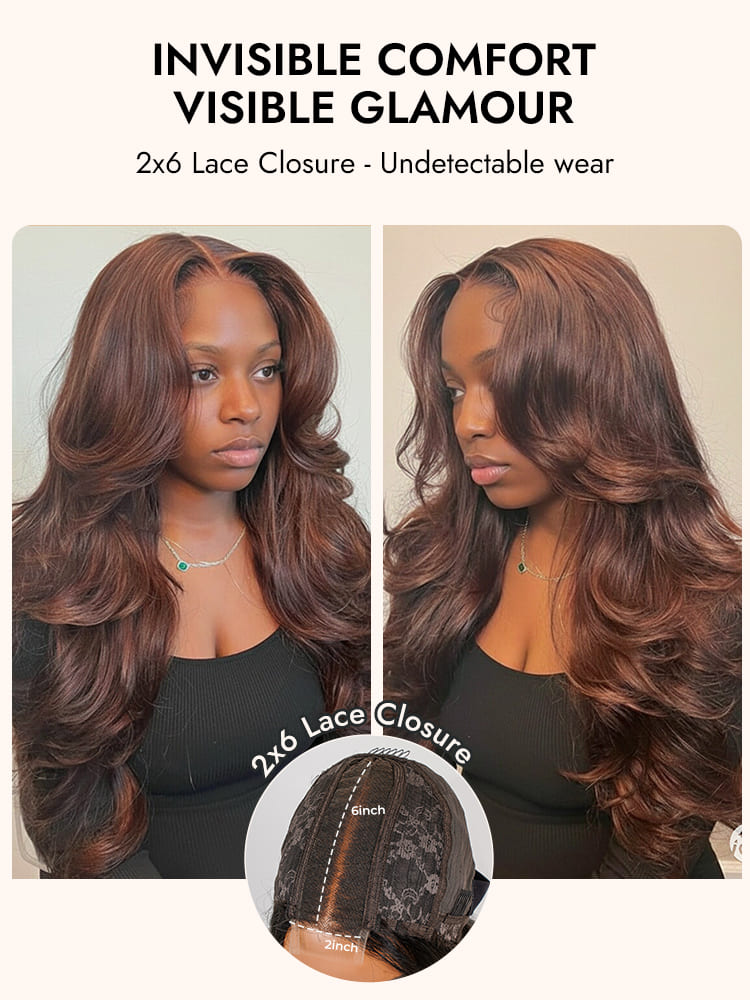
If the wig has been layered or cut at an angle, those kinds of alterations may make your wig act like a teeter-totter, with one side tipping up while the other side falls. To keep it from going all calamitous on you, be sure to use a wide-tooth wig brush or wig brush set to comb the wig. Store the wig on a wig stand or in a tote made for wig storage.
Do apply wig-specific styling products, as human hair wigs kind of need those products to keep from falling limp, and all wigs need those products to help them maintain their new shape. If there is any new heat styling involved in keeping a synthetic wig from lending a limp-wristed hand, rest assured that what must be styled once (or many times, for the human hair version) is all in the name of wig health. You do it for your sake—no one with a flip-wig ought to be flipping out.
Recommendation
If you are thinking about wig styling or are uncertain about which steps to take to begin the wig trimming and customization process, the decision of how to shorten a wig while still retaining the qualities you want—texture, durability, and the all-important natural look—might find its most satisfying answer in the high-quality, user-friendly, human hair wigs from WIGGINSHAIR. These wigs are designed for creative freedom—style them, cut them, and transform your look without limitations.