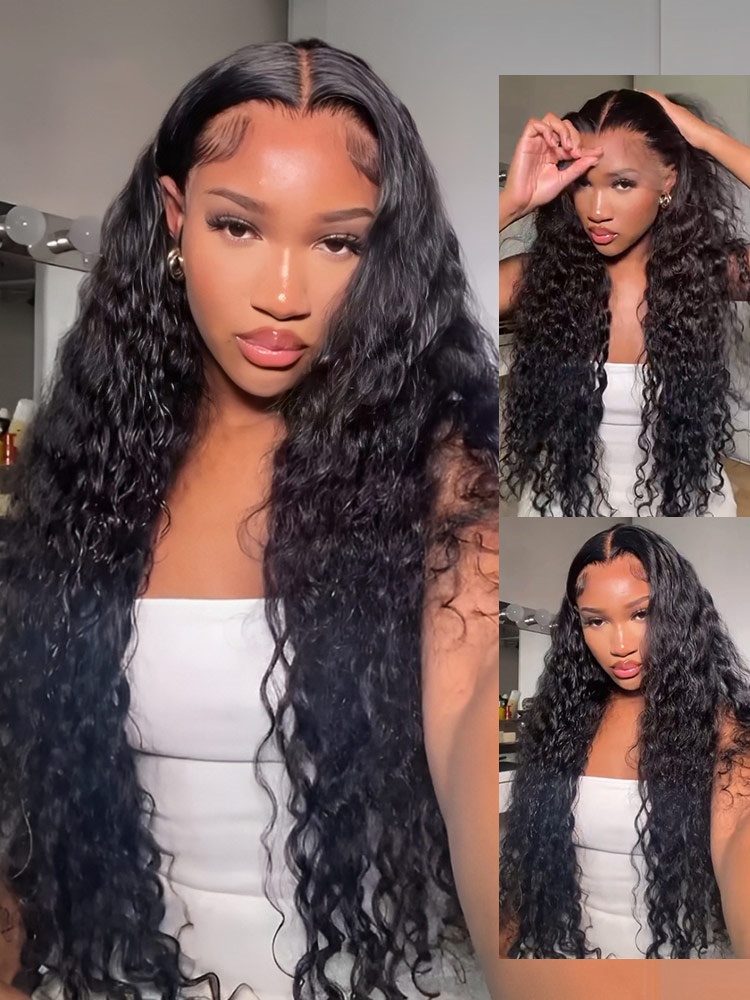


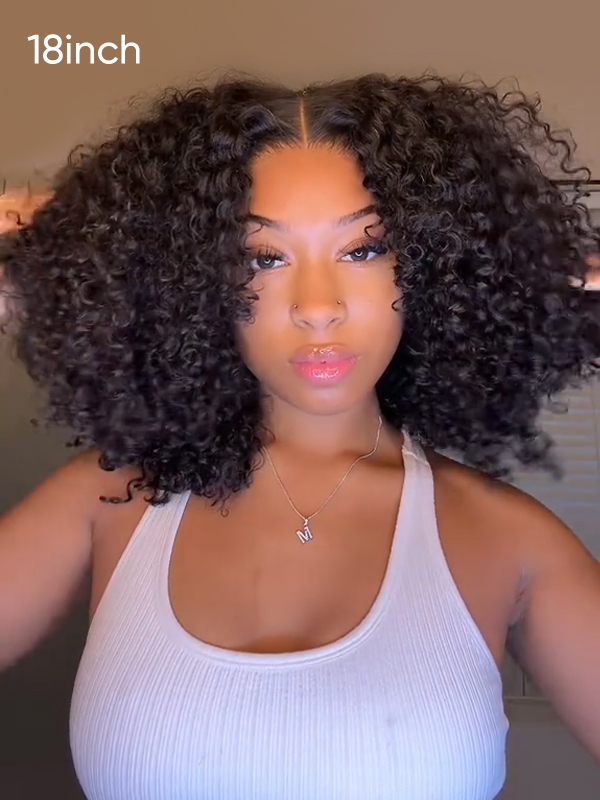
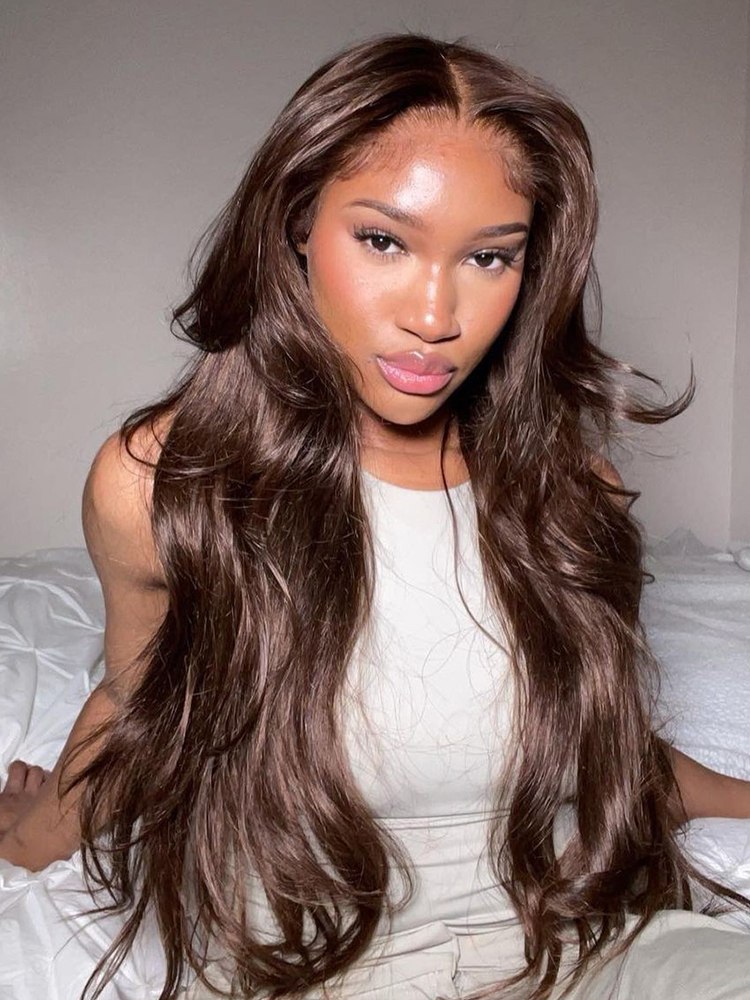
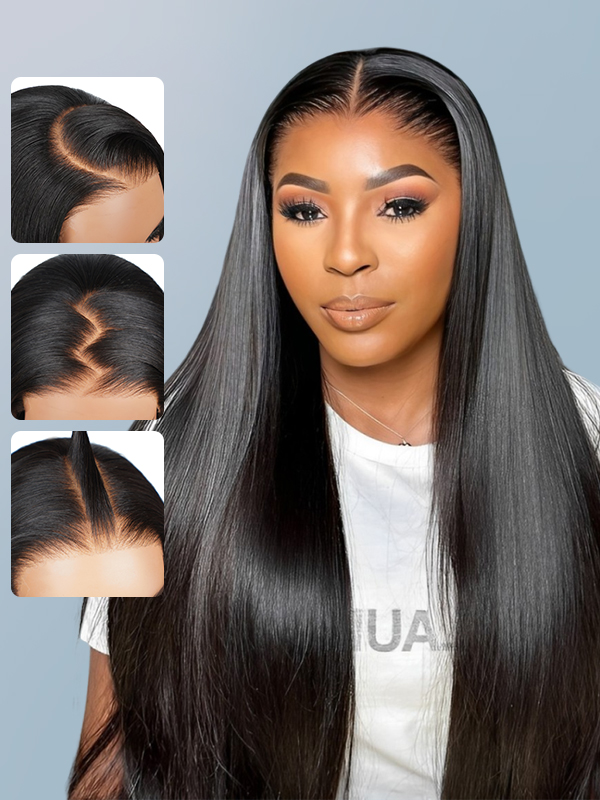
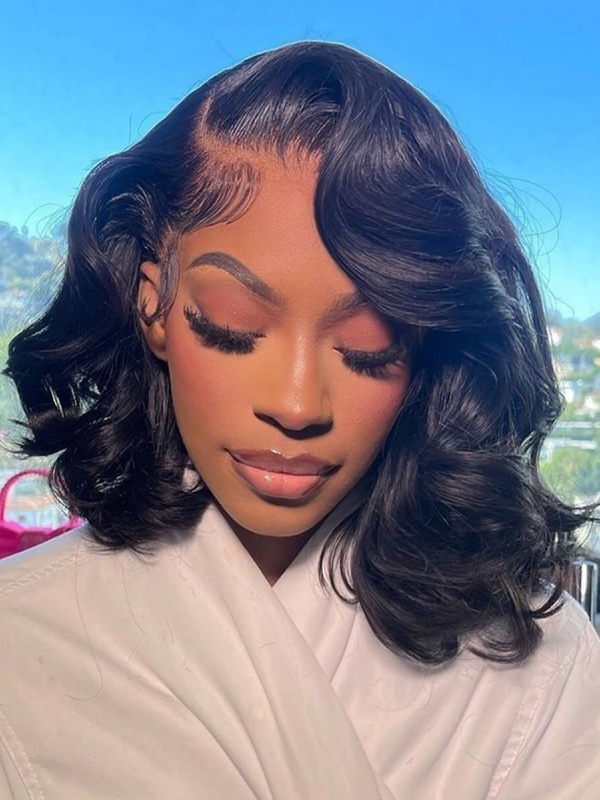
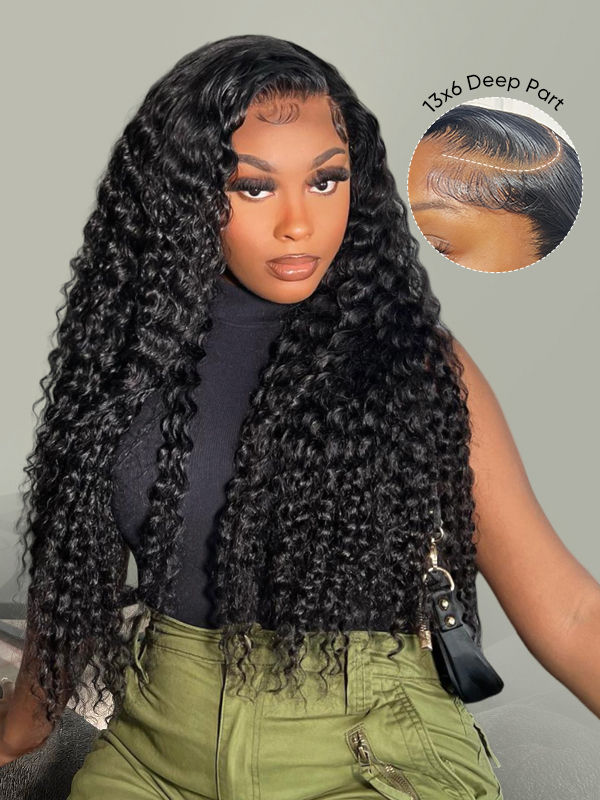
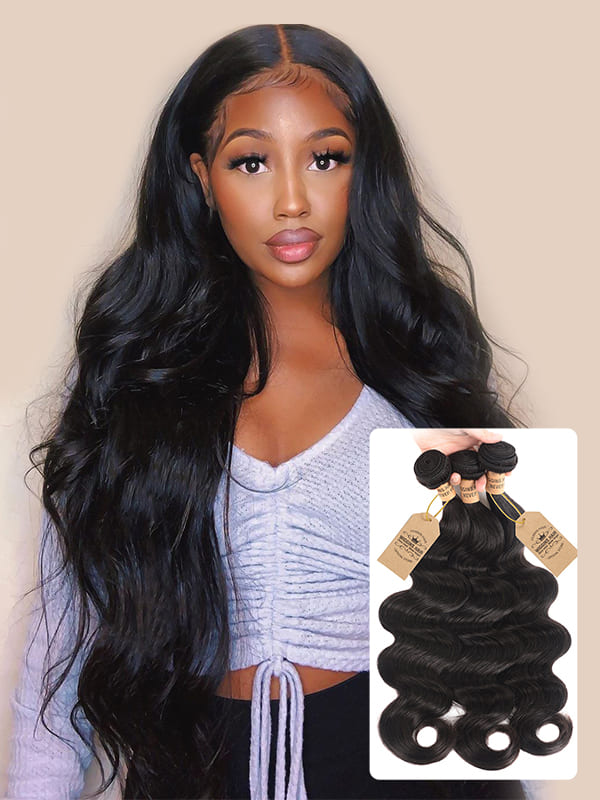





The ideal coloring method for synthetic strands is not easy to choose the best dye for human hair wigs, but with the right product, it is equally as non-complicated to achieve vibrancy in the coloring of natural human hair wigs. The expansive array of products on the market was narrowed down first by elimination: aspiring to vibrancy as well as longevity without any compromise to texture or softness, the discussion revealed the dye as the best on the market. That's either a salon-level or DIY-level user of wigs.
Understanding Your Wig’s Hair and Cuticle Structure
Wig fibers made from 100% human hair retain their natural cuticle layers intact and are free from damage such as holes. This allows dyes to penetrate easily, resulting in vibrant and consistent color.
The best dyes are gentle yet effective—they preserve the softness of the wig while minimizing damage during the coloring process. This is especially important because, unlike natural hair, a human hair wig cannot benefit from the protective, nourishing, and restorative effects of scalp oils.

Color Depth and Lighting Constraints
Unlike natural hair, most human hair wigs reach consumers pre-bleached to approximately a level 27. Because of this, dyeing them is typically a two-step process. First, a color remover is applied to reduce the existing color level in the wig.
Only after this step can the new dye be applied effectively. When selecting a color remover, it’s crucial to choose a product that minimizes damage, as even the best wigs have limits on how much chemical processing they can withstand before their quality starts to deteriorate.
Application Techniques for Even Coverage
For color consistency, fasten the wig onto a wig head and comb it meticulously until you reach the point of no return right before applying dye. This kind of preparatory work prevents patchiness and guarantees smooth saturation on every strand, if one can achieve that anywhere close to the hairline.
The occidental appearance of the wig is the real test of any dye; it must not look like a wig to pass. How one gets from a wig that looks like a wig to a wig that looks like real hair—which is the end game—requires a set of combination moves that, if they had names, would be called the works.
Preserving Shine, Softness, and Longevity
Keeping a wig looking luscious and natural after dyeing demands care. Foul smells and ugly chemicals can take the luster away, so pick color treatments that are kind to the hair's texture. The safest bet is to use dyes that are meant for human hair wigs. They leave the hair soft and manageable and, most importantly, intact—no excessive shedding. Follow up with a very gentle wig shampoo (a fancy way of saying baby shampoo or some equivalent) and a decent wig conditioner.
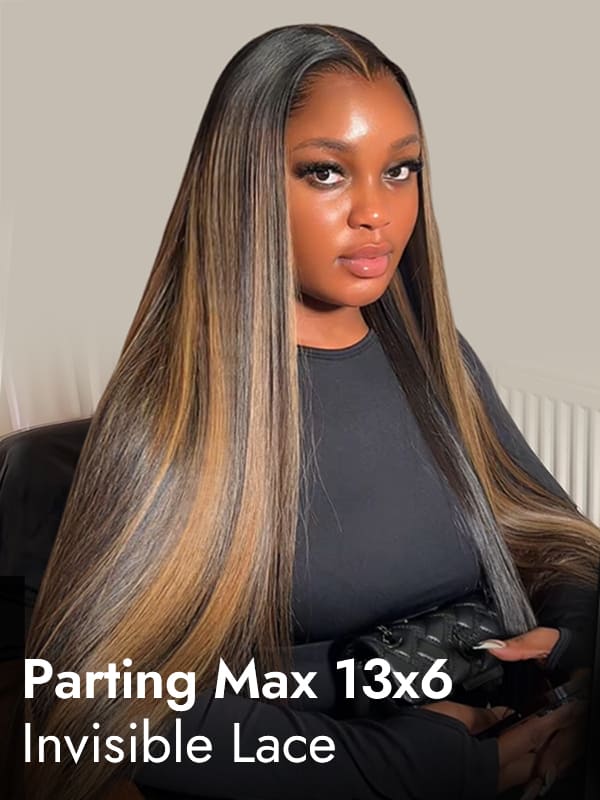
Maintenance Routine After Dyeing
Once you have colored your wig, maintain a super-hydrating care regimen. This means: Shampoo gently, condition thoroughly, air-dry on a wig stand—not towel-drying or styling when wet. Doing this consistently helps lock in color vibrancy, but it also preserves the structure of the wig, makes it tangle-resistant, and keeps it looking full.
Of course, all these benefits can be yours only if you use the best dye for human hair wigs. A wig that's soft, vibrant, and full of life is well worth the effort.
Avoiding Over-Processing for Wig Health
One of the biggest blunders wig owners commit during the dyeing process is overexposing the product to the hair, which can result in a parched, brittle, and short-lived wig. Unlike natural hair that is continuously fed by the scalp and is in a constant state of growth, wigs have a set lifespan.
Color-treated wigs can last as long as uncolored wigs if decent products and proper techniques are followed, especially in terms of timing. Immediate high-heat treatments can also result in damage and a shortened lifespan, but the biggest culprit is leaving the dye on for too long. Here are the dos and don'ts for dyeing wigs.
Choosing Between Semi-Permanent and Permanent Dyes
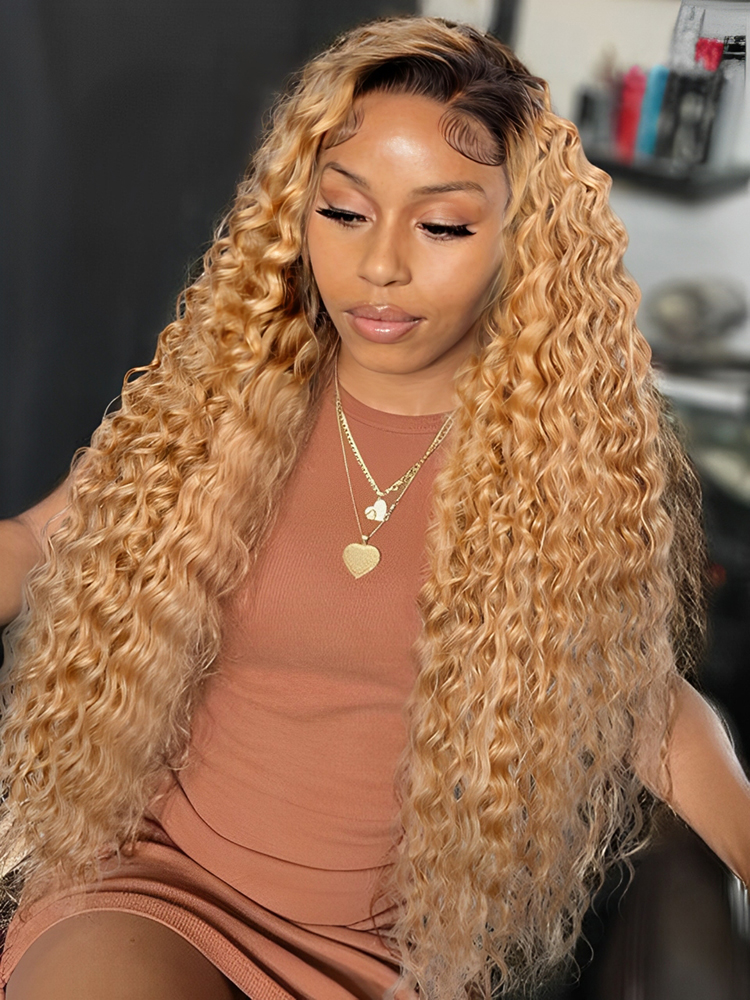
When choosing a color product, think about whether you want a temporary change or a more permanent transformation. Semi-permanent options are generally less damaging and can be reapplied more often, making them ideal for experimenting with loud colors. On the other hand, if you want something a bit more intense and permanent, that’s another route you can go. Either way, just make sure you’re using something safe for wigs.
Enhancing Color With Toning and Gloss Treatments
Following the dyeing process, a professional-grade toner or gloss treatment can be applied to refine the color, neutralize any unwanted undertones, and boost the shine. These are particularly valuable finishing steps when trying to achieve cooler blondes, richer brunettes, or intense fantasy colors.
They serve not only to make the color more pronounced but also to create the smooth, reflective finish that makes any dye job look truly professional. Whether you are dyeing human hair wigs or not, applying these enhancements alongside the best dye for human hair wigs will yield a look that is polished, multidimensional, and freshly radiant.
Recommendation
If you want gorgeous, fuss-free dyed results, choose WIGGINSHAIR. They offer 100% best dye for human hair wigs. These can be safely and effectively colored like any other; use the best dye for human hair wigs. WIGGINSHAIR even has an at-home dyeing tutorial to take you through the steps. Minimal fuss. Maximum quality.