






The appearance of grey hair is an inevitable aspect of our hair journey (roots how to blend grey hair with dark brown hair), particularly seen around the roots, even as we age, and even as genetics dictate our hair types and journey. Regrowth happens quickest around the front and toward the scalp, where seeing a not-so-subtle blend of the once-dark hair and now-silver strands can be disheartening.
This sadness isn't just because we tend to associate grey with old; there's also the stark contrast between the deep brown, near-black hair we used to sport and the now-very-visible silver on the left and right sides of our part that wasn't so obvious when it was less than an inch long and growing inward and upward. Understandably, many individuals try to color their hair and the roots between salon visits to chase the illusion of a more harmonious appearance.
Choosing the Proper Shade to Soften Contrast
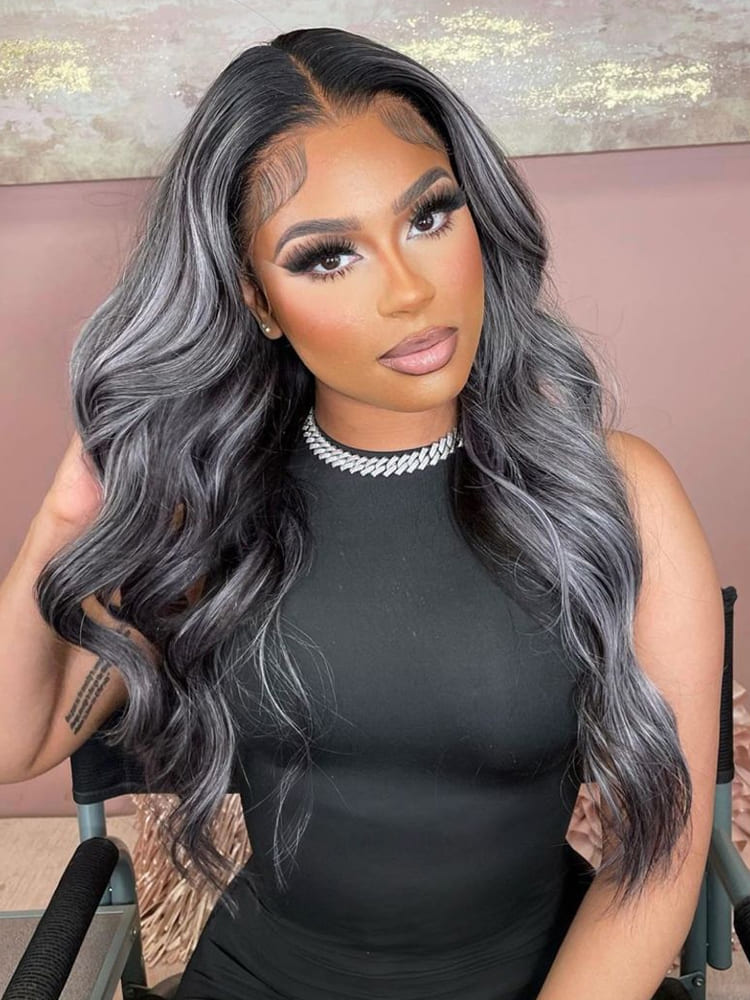
One of the most crucial steps in the blending process is picking a complementary brown tone that sits between your natural dark brown and the emerging gray. Since the transitional shade is so important to achieving a soft overall look, it makes sense to use as few harsh lines as possible and not to rely on the transition shade for too long a time. Whereas it, of course, is the case that the transition shade can help minimize the stark contrast typically seen in a regrowth situation, wouldn't it be nice if you could also use it to achieve a soft, somewhat dimensional appearance? I bet that's the main goal for a lot of folks.
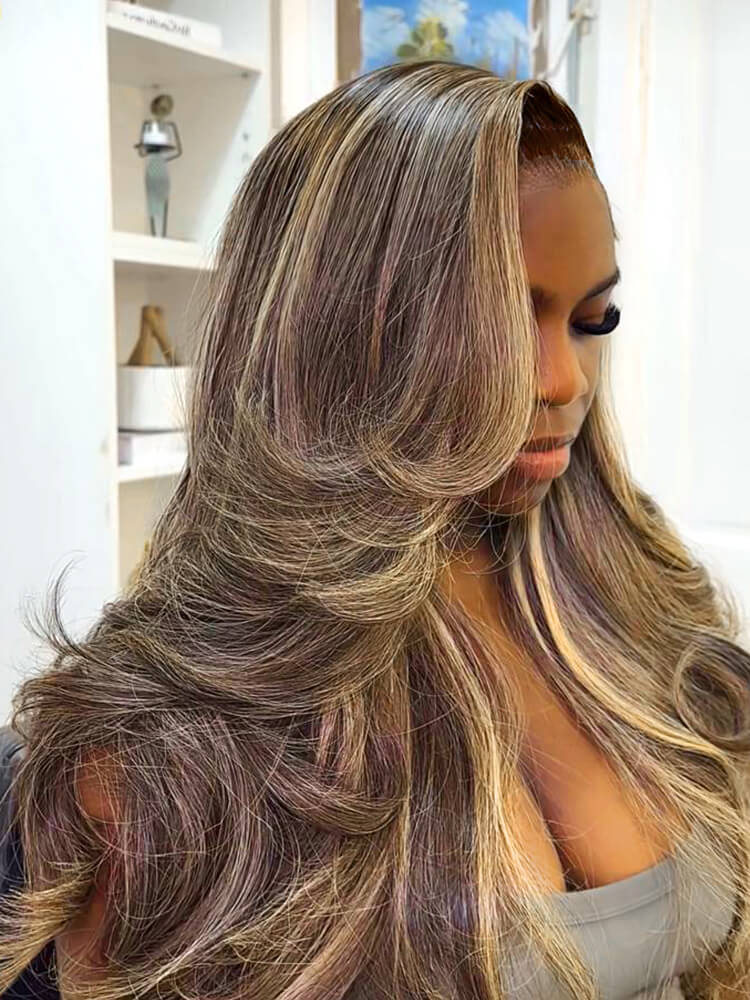
Now, the colorist wants to consider not only the shade to use but also the product with which to achieve the effect. Might a semi-permanent dye help with this process? And if so, why? Certainly, no permanent solutions should be considered at this stage, as the hair is merely transitioning in color. Another sophisticated way to address the contrast between gray and dark brown hair is through strategic highlighting and lowlighting. These techniques not only break up solid color but also add natural depth and movement throughout the hair, especially around the crown and parting areas, where greys tend to be most visible.
Yet another way to shade and contour gray (and light brown) hair so that it harmonizes with a dark brown base is to highlight it with a mix of caramel and honey tones. (These are the kind of colors that can be found in certain shades of boxed hair color. They're also really good for dark brown hair.) Caramel and honey colors can help bridge the color gap; the way they hit the surface of dark brown hair helps draw attention away from the less-than-perfect roots.
On the other hand, highlighting around the grey with cooler or deeper shades can darken some strands to create more of a blended effect. Both techniques are good for hair textures that can really use some extra volume and light reflection.
Using Root Concealers and Temporary Sprays
For individuals who seek quick and non-permanent solutions to camouflage gray roots, using root concealers and color sprays offers an instant fix that can be effortlessly applied at home, especially during busy schedules or while awaiting a more permanent touch-up.
These products come in a range of brown tones to match various shades of dark brown hair, and they can be sprayed or brushed on directly at the roots to temporarily mask the grays and create a unified appearance, especially effective for part lines and temples where regrowth is most evident.
Unlike permanent dyes, these temporary tools wash out after one or two shampoos, which makes them ideal for experimentation or for those who maintain a versatile hair color routine. With continued advancements in haircare technology, many of these sprays are now transfer-resistant, lightweight, and enriched with conditioning agents that do not weigh down the hair or cause flakiness, which provides a comfortable and natural finish.
For best results, it's essential to choose a product that matches your hair's undertone and to apply it in layers, allowing a realistic blend that effectively supports your day-to-day strategy around roots.
How to Maintain Healthy Texture While Blending Colors of Hair Transitioning from Brown to Gray
In the process of blending brown and gray hair(roots how to blend grey hair with dark brown hair), maintaining the health and texture of your strands is critical, as over-processing or improper care can lead to dryness, brittleness, or uneven color absorption that defeats the purpose of achieving a cohesive blend.
The Key Is Moisture!
To support the natural resilience of the hair, it is recommended to incorporate moisturizing treatments, such as deep conditioning masks or oil-infused serums, especially if you are regularly using heat styling tools or coloring agents.
Keratin-rich products and sulfate-free shampoos are also excellent for preserving color while enhancing smoothness and shine, helping to reinforce the hair’s strength from root to tip.
Regular trims help prevent split ends and encourage even growth, making it easier to manage the transition between the two colors—a crucial factor if you’re choosing to go with a more gradual look. Embracing the contrast and care of two so obviously different colors can lead to a very elegant salt-and-pepper style.
Professional Techniques for Long-Term Solutions
When DIY methods no longer suffice or when you desire a more refined outcome, salon professional techniques like balayage, root smudging, and color melting provide long-term answers that elevate the blending process to an art form, producing natural-looking transitions that can last for several weeks without any obvious regrowth lines.
Balayage involves hand-painting highlights onto the hair in a free-form technique that mimics how the sun naturally lightens hair, and effectively disguises grey hairs in a way that looks and feels very, very real.
Root smudging is like an advanced version of touching up your roots and, when done with a demi-permanent gloss, gives a seamless and lived-in finish. This allows your hair to grow a little longer and for you to push salon visits further apart.
Color melting is yet another technique and, I think, a fun way to layer multiple shades across the hair to not only blend the various color experiences (highlight, lowlight, and base) into one very cohesive look but also to make the transition (grey to dark brown) almost indistinguishable to the eye.
Recommendation
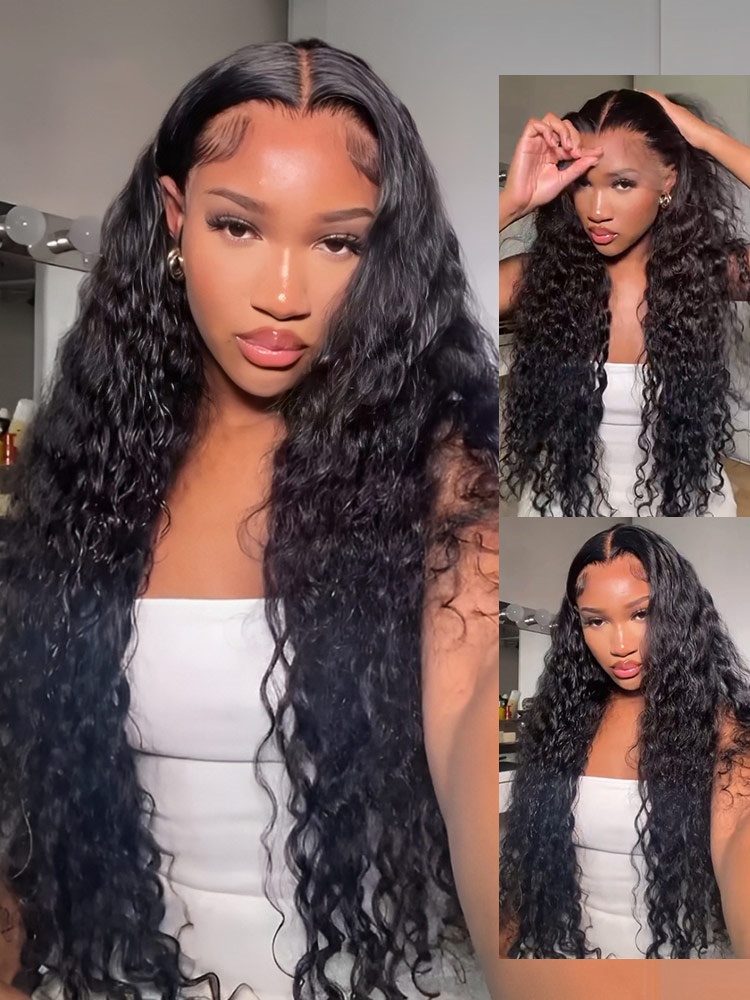
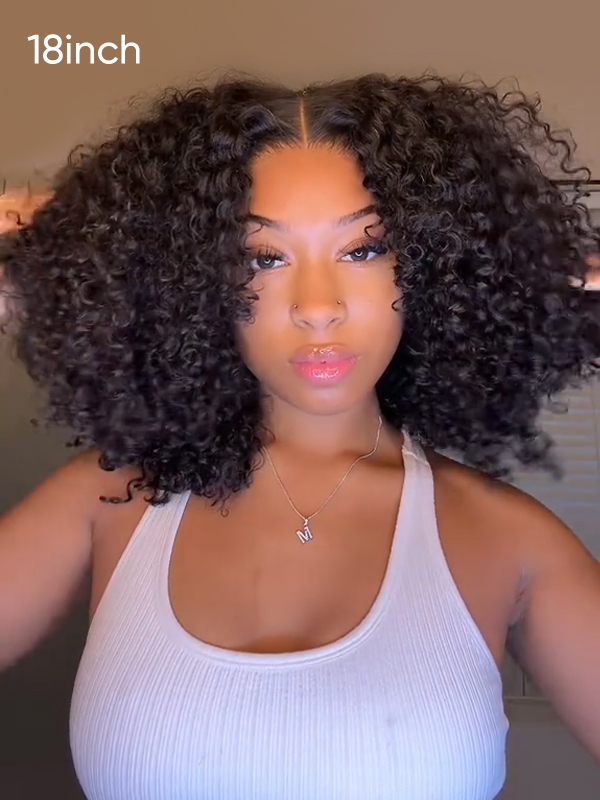
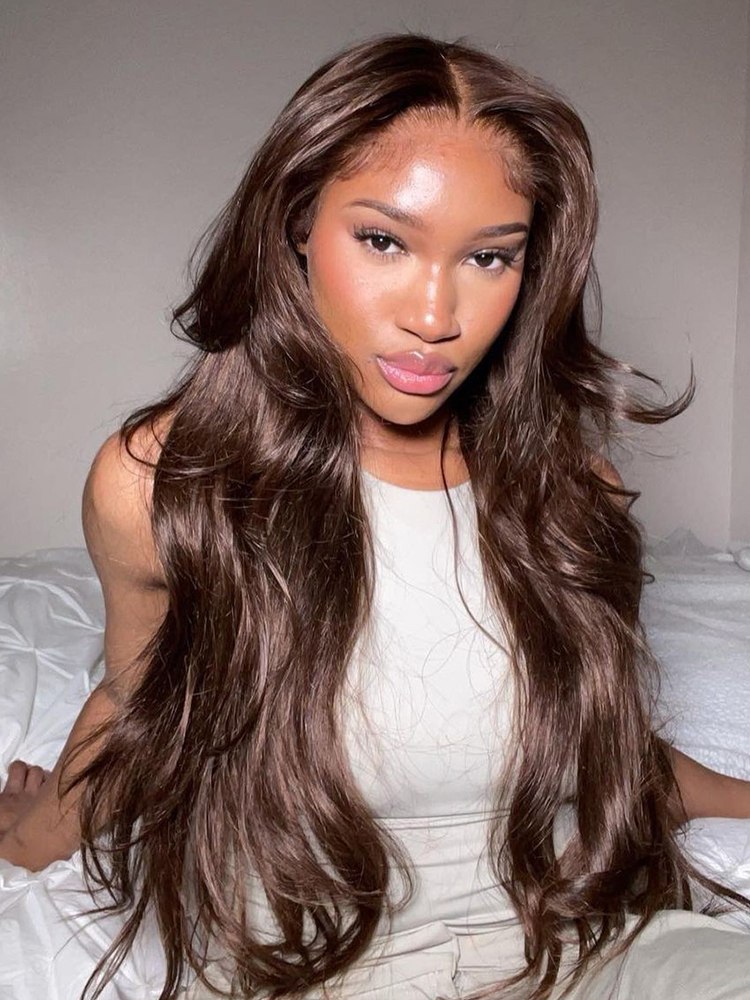
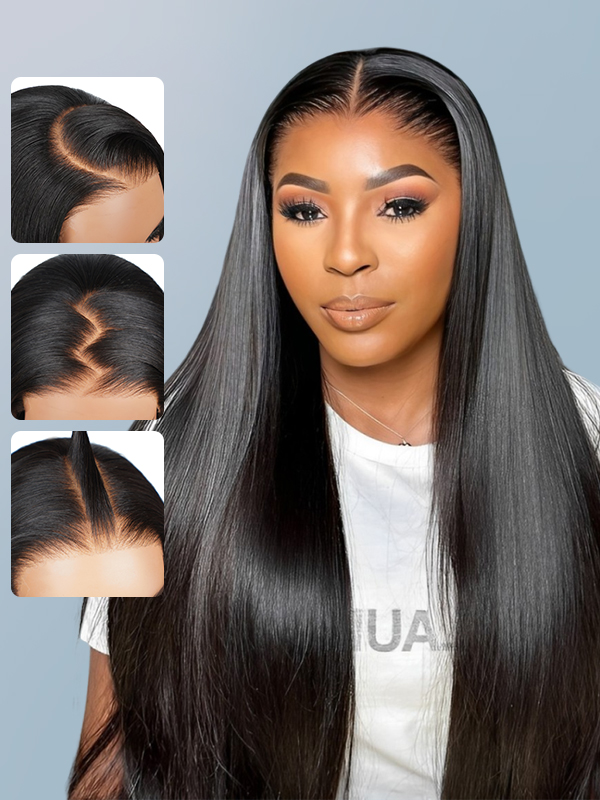
For people who seek solutions for hair with a personal premium nature, and roots how to blend grey hair with dark brown hair, WIGGINSHAIR provides a vast array of solutions. Our company sells high-quality human hair, and it deals in wigs that are, for all intents and purposes, customizable. Our products range widely and wade deep into the context of personalizing beauty.